
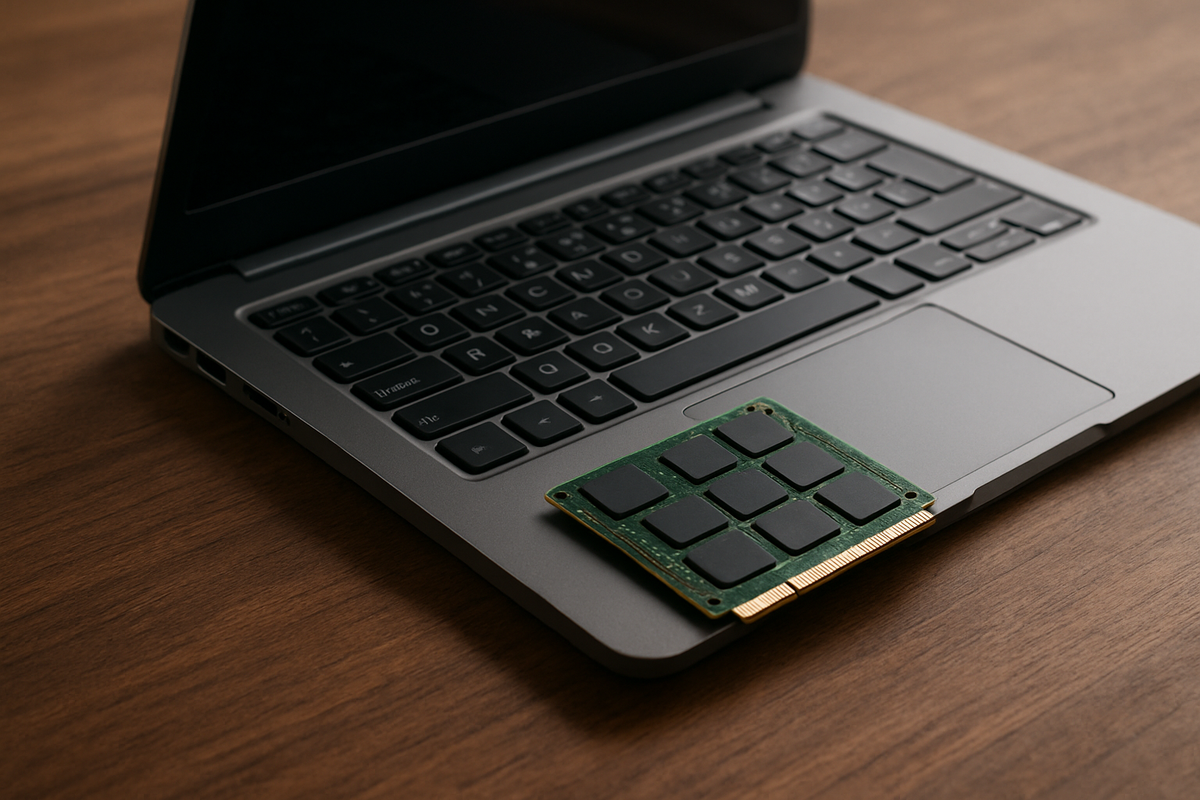
Understanding LPCAMM2: The Revolutionary Memory Architecture
Low Power Compression Attached Memory Module 2 (LPCAMM2) represents a paradigm shift in laptop memory design. This innovative architecture combines the space efficiency of soldered LPDDR memory with the upgradability traditionally associated with SO-DIMM modules. Unlike conventional memory solutions, LPCAMM2 utilizes a horizontal mounting configuration that significantly reduces the z-height requirements within ultrabook chassis.
The architectural innovation lies in its compression-attached methodology. Rather than relying on traditional pin-based connections, LPCAMM2 employs a sophisticated compression mechanism that ensures robust electrical connectivity while maintaining the flexibility for user replacement. This approach eliminates the reliability concerns associated with conventional socket designs in mobile computing environments.
Memory manufacturers have engineered LPCAMM2 to support the latest LPDDR5X specifications, enabling transfer rates exceeding 7500 MT/s. The module's design philosophy prioritizes both performance optimization and thermal management, incorporating advanced heat dissipation features that maintain optimal operating temperatures even under intensive computational workloads.
Technical Specifications and Performance Metrics
LPCAMM2 modules operate at significantly lower voltages compared to traditional DDR4 SO-DIMM configurations. The typical operating voltage of 1.1V represents a substantial reduction from the 1.2V standard of previous-generation memory technologies. This voltage optimization directly translates to extended battery life in mobile computing scenarios.
The bandwidth capabilities of LPCAMM2 far exceed those of conventional laptop memory solutions. With theoretical bandwidth reaching up to 120 GB/s in dual-channel configurations, these modules can adequately support demanding applications including machine learning inference, high-resolution video editing, and advanced computational modeling.
Performance Advantages Over Traditional Memory Solutions
The performance differential between LPCAMM2 and legacy SO-DIMM technology extends beyond raw bandwidth metrics. Latency characteristics show marked improvement due to the optimized signal pathways inherent in the compression-attached design. Memory access patterns benefit from reduced electrical interference, resulting in more consistent performance under variable workloads.
Power efficiency represents another critical advantage. LPCAMM2 modules demonstrate up to 20% lower power consumption compared to equivalent-capacity DDR4 SO-DIMM modules. This efficiency gain compounds over extended usage periods, contributing measurably to overall system endurance in battery-powered operations.
Real-World Performance Benchmarks
Contemporary benchmarking studies reveal substantial performance improvements across diverse computing scenarios. Memory-intensive applications such as virtual machine hypervisors show 15-25% performance gains when utilizing LPCAMM2 configurations. Database operations benefit similarly, with query execution times reducing by comparable margins.
Graphics processing applications demonstrate even more pronounced improvements. Integrated graphics processors, which rely heavily on system memory for frame buffer operations, achieve significantly higher frame rates when paired with high-bandwidth LPCAMM2 modules. This enhancement proves particularly valuable for content creators working with 4K video assets.
Introducing the Crucial 32GB LPCAMM2 Solution
For professionals seeking to maximize their laptop's memory potential, the Crucial 32GB LPCAMM2 LPDDR5X-7500 module represents an exemplary implementation of this advanced technology. This high-capacity solution addresses the growing memory requirements of modern workflows while delivering the performance benefits inherent to the LPCAMM2 architecture.
The 32GB capacity eliminates memory-related bottlenecks in demanding professional applications. Video editors can maintain multiple high-resolution timelines simultaneously, while software developers can run comprehensive development environments without experiencing memory pressure. The LPDDR5X-7500 specification ensures that data transfer rates never become the limiting factor in system performance.
Space Efficiency and Design Innovation
Modern ultrabooks face constant pressure to minimize thickness while maximizing performance capabilities. LPCAMM2 technology addresses this fundamental challenge through its innovative horizontal mounting architecture. Traditional SO-DIMM modules require vertical clearance that conflicts with the slim profile requirements of contemporary laptop designs.
The horizontal orientation of LPCAMM2 modules enables manufacturers to utilize previously inaccessible space within laptop chassis. This space optimization doesn't compromise structural integrity; rather, it allows for more efficient internal component arrangement and improved thermal management zones.
The reduction in z-height requirements can be as much as 64% compared to traditional SO-DIMM implementations, enabling laptop manufacturers to achieve unprecedented thinness without sacrificing memory expandability.
Thermal Management Considerations
Heat dissipation represents a critical factor in mobile computing performance sustainability. LPCAMM2 modules incorporate advanced thermal interface materials and heat spreading technologies that optimize temperature distribution across the module surface. This thermal optimization prevents localized hot spots that can degrade performance or reduce component longevity.
The horizontal mounting configuration facilitates improved airflow patterns within laptop chassis. Unlike vertically-mounted SO-DIMM modules that can obstruct cooling airflow, LPCAMM2 modules complement existing thermal management systems rather than impeding them.
Installation Process and Compatibility Requirements
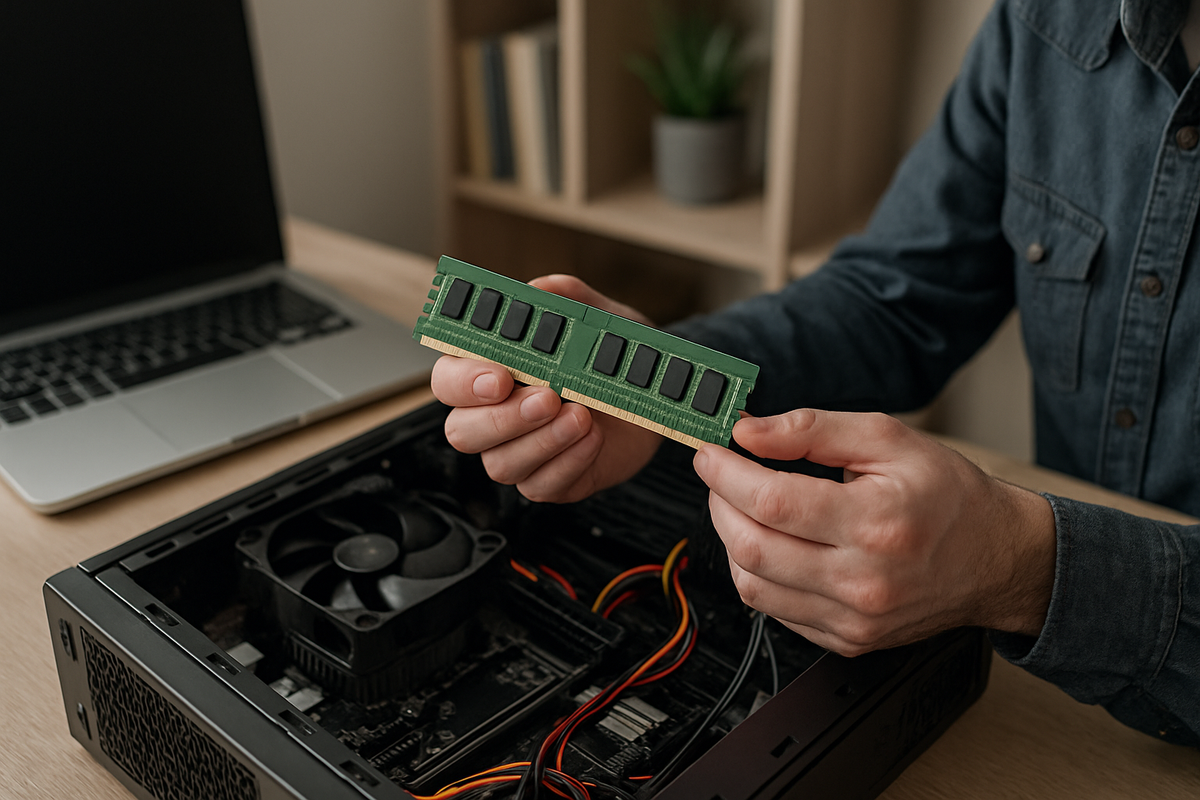
LPCAMM2 installation procedures differ significantly from traditional memory upgrade processes. The compression-attached mechanism requires specific tools and techniques to ensure proper module seating and electrical connectivity. Users must exercise particular care during the installation process to avoid damage to the delicate compression connectors.
Compatibility verification becomes paramount when selecting LPCAMM2 modules. Not all laptop models support this advanced memory architecture, and users must confirm their system's compatibility before purchasing upgrade modules. BIOS firmware versions may also require updates to properly recognize and configure LPCAMM2 modules.
Step-by-Step Installation Guidelines
The installation process begins with proper electrostatic discharge precautions and workspace preparation. Users should ensure adequate lighting and access to appropriate tools, including precision screwdrivers and anti-static equipment.
- Power down the laptop completely and disconnect all external power sources
- Remove the laptop's bottom panel according to manufacturer specifications
- Locate the LPCAMM2 slot, typically positioned near the laptop's center
- Carefully remove any existing memory module using the compression release mechanism
- Align the new LPCAMM2 module with the socket, ensuring proper orientation
- Apply even pressure to engage the compression-attached connectors
- Verify secure installation before reassembling the laptop
Future-Proofing Your Laptop Investment
Investment in LPCAMM2 technology extends beyond immediate performance gains. This memory architecture represents the trajectory of mobile computing memory solutions, with industry adoption accelerating across major laptop manufacturers. Early adoption of LPCAMM2 technology positions users advantageously for future software requirements and computational demands.
The longevity benefits of LPCAMM2 extend the useful lifespan of compatible laptops. Rather than requiring complete system replacement to accommodate growing memory requirements, users can upgrade their existing systems to maintain competitiveness with contemporary hardware configurations.
Industry Adoption Trends
Major laptop manufacturers including Dell, Lenovo, and HP have begun integrating LPCAMM2 support into their premium product lines. This industry-wide adoption indicates strong confidence in the technology's long-term viability and performance advantages.
Memory module manufacturers are responding to market demand by expanding their LPCAMM2 product portfolios. Increased production volumes are driving down per-gigabyte costs, making LPCAMM2 upgrades increasingly accessible to mainstream users.
| Memory Type | Maximum Capacity | Maximum Speed | Power Consumption |
|---|---|---|---|
| DDR4 SO-DIMM | 32GB | 3200 MT/s | 1.2V |
| LPCAMM2 | 64GB+ | 7500+ MT/s | 1.1V |
Cost-Benefit Analysis and ROI Considerations
The financial implications of LPCAMM2 adoption extend beyond the initial module purchase price. Users must consider the total cost of ownership, including extended laptop lifespan, improved productivity, and reduced need for complete system replacement.
Professional users often realize rapid return on investment through enhanced productivity capabilities. The ability to maintain larger datasets in memory reduces processing times for analytical workloads, directly translating to time savings and improved work efficiency.
Long-Term Value Proposition
LPCAMM2 modules retain their value better than traditional memory solutions due to their advanced specifications and growing market adoption. Users can potentially recover a higher percentage of their initial investment when eventually selling or repurposing their hardware.
The extended capability provided by LPCAMM2 upgrades delays the necessity for complete system replacement, representing substantial cost avoidance for budget-conscious users and organizations.

Leave a comment
This site is protected by hCaptcha and the hCaptcha Privacy Policy and Terms of Service apply.